Steel Erection Trends: What the Industry Is Watching
Steel erection trends are driven by digital planning, advanced lifting gear, and tighter site coordination. These shifts affect sequencing, safety, and cost. Understanding them helps buyers avoid delays and improve quality.
- Digital models now guide erection sequencing, reducing field conflicts before steel arrives.
- Advanced lifting equipment allows heavier components to be handled with fewer people and less risk.
- Early coordination between fabricators, erectors, and owners shortens on-site dwell time.
- Buyers should require clear digital deliverables and staged erection plans in their contracts.
- Safety systems are becoming integrated into the erection process, not just added as afterthoughts.
Steel erection has moved beyond simple lifting and bolting. The focus is now on how components are prepared, sequenced, and verified before they reach the site. This shift affects how buyers manage risk, how erectors plan their crews, and how fabrication shops prepare their work.
The changes are visible in every phase of delivery. A project that once relied on paper drawings and last-minute field adjustments now depends on coordinated digital files, precise sequencing, and tighter communication between all parties. For buyers, this means the contract and the early project conversations matter more than ever.
How digital models change erection planning
Erection plans are no longer just a sequence of steps. They are often built from the same 3D model used for design and fabrication. This creates a direct line from the shop floor to the site.
When the erection model includes clearance checks, bolt patterns, and component weight, the erector can plan the crane setup and crew size with more confidence. The buyer sees fewer field modifications and less rework.
A common mistake is to treat the digital model as a bonus. In practice, it is the backbone of the erection process. If the model is not updated when design changes occur, the erection team may face conflicts on site. Buyers should require that the model be delivered at defined stages and that changes be tracked through the system.
The benefit is not just speed. It is certainty. When every party works from the same information, decisions are made faster and errors are caught earlier.
Changes in construction methods and sequencing
Construction methods in steel erection are adapting to reduce on-site labor and increase precision. Several practices have become standard in larger projects.
One method is modular erection. Instead of building the structure piece by piece in the field, large sections are assembled in the factory and transported to the site. This reduces weather exposure and shortens the erection schedule.
Another approach is top-down erection. The roof and upper levels are completed first, then the lower sections are added. This can allow earlier enclosure of the building, which is useful in cold or wet climates.
Sequencing is also being optimized through critical path analysis. The erector identifies which components must be in place to unlock the next phase. This prevents idle time and helps align material delivery with crew availability.
Buyers should ask how the erection sequence is being planned. A simple list of components is not enough. The sequence should show dependencies, access requirements, and safety considerations.
The role of advanced lifting and placement systems
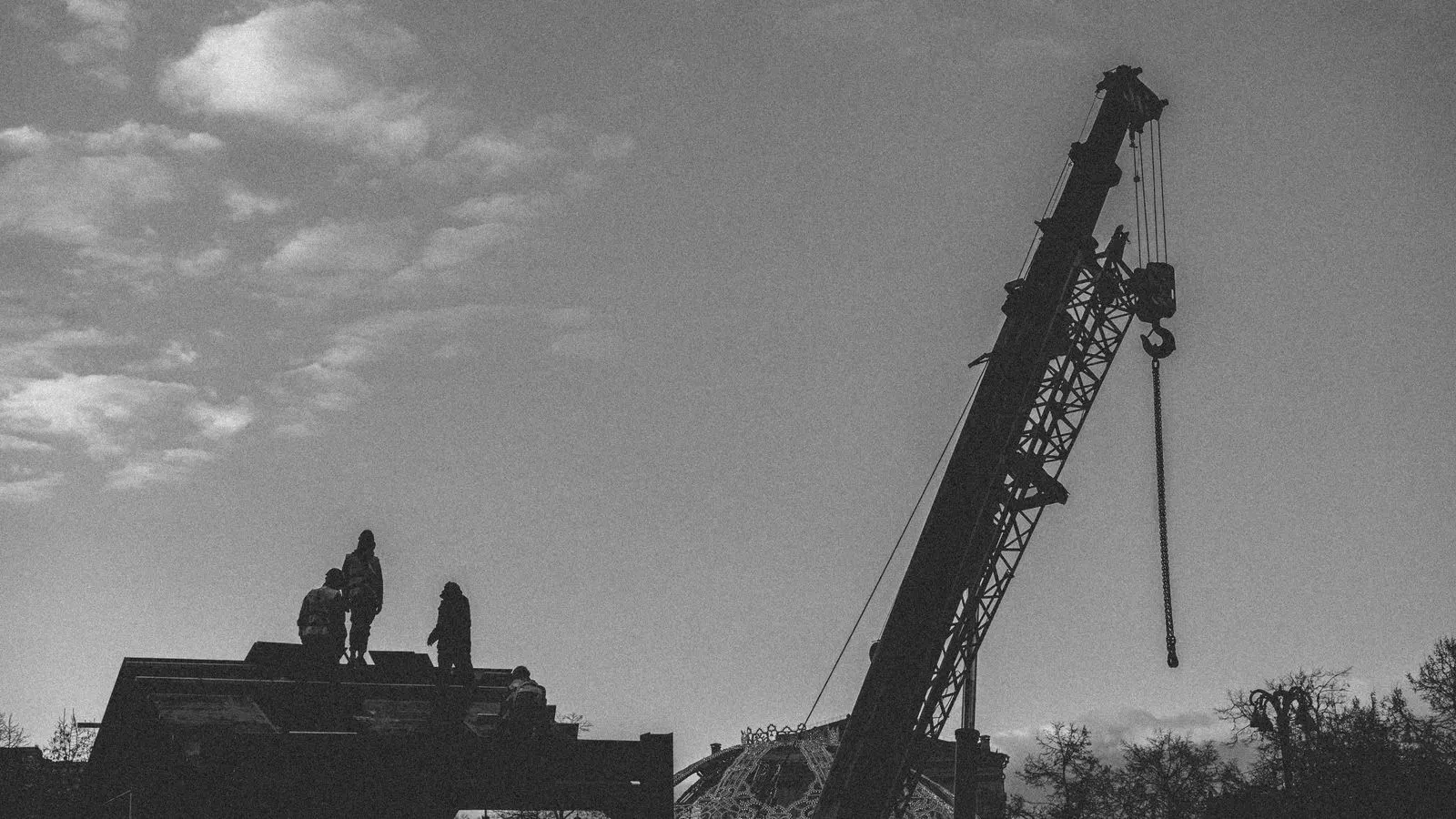
Lifting has always been central to steel erection, but the equipment and techniques have changed. Modern cranes can handle heavier loads with greater precision. This allows larger components to be placed with fewer lifts and less risk.
Some projects now use automated placement systems for specific elements, such as purlins or cladding panels. These systems reduce manual handling and improve consistency.
The shift is not just about bigger cranes. It is about better planning. Lift plans now include wind limits, ground bearing capacity, and exclusion zones. These details are checked before the first lift is made.
For buyers, this means the site must be prepared in advance. Access routes, crane pads, and utility clearances must be defined early. A well-planned lift is faster and safer than a reactive one.
The table below shows how different lifting approaches compare in typical steel erection projects.
| Lifting Approach | Typical Use | Main Advantage | Key Consideration |
|---|---|---|---|
| Mobile Crane | Main frame and heavy columns | High capacity and flexibility | Site access and ground bearing |
| Tower Crane | High-rise or multi-level projects | Continuous operation over time | Foundation and setback requirements |
| Automated Placement | Purlins, cladding, and light members | Speed and consistency | Limited payload and range |
| Modular Lifting | Pre-assembled sections | Reduced field work | Transportation and storage logistics |
Each approach has its place. The best choice depends on the project size, site constraints, and schedule.
Safety integration and real-time monitoring
Safety is no longer a separate checklist. It is built into the erection process. Many projects now use sensors on cranes and lifts to monitor load weight, swing radius, and wind speed in real time.
This data is sent to a central dashboard where the site supervisor can view it. If conditions exceed limits, the system alerts the crew and stops the lift. This reduces the risk of accidents caused by human error or environmental changes.
Personal safety equipment is also being connected to the work process. For example, fall protection systems may be integrated with the structural setup, so that anchors are verified before workers move to the next level.
Buyers should expect this level of integration in larger projects. It adds cost, but it also reduces liability and downtime. A single incident can delay a project for weeks. Preventing it is often cheaper than repairing the damage.
The shift is toward a culture where safety is monitored continuously, not just during inspections.
Workforce trends and training requirements
The steel erection workforce is changing. There is a greater demand for workers who can read digital models, operate automated equipment, and understand the coordination between fabrication and site work.
Training programs now include software skills, not just physical techniques. Workers are taught to use the same digital tools used in design and fabrication. This reduces miscommunication and ensures that the team on site has the same understanding as the team in the shop.
Certification is also becoming more specific. Instead of a general steel erector license, workers may hold credentials in crane operation, automated placement, or fall protection systems.
Buyers should verify that the erection team has the right training for the specific methods being used. A crew that is highly skilled in traditional bolting may not be as effective with automated placement systems.
The result is a more skilled and coordinated workforce. This is not a temporary trend. It is a permanent shift in how the industry operates.
What buyers should plan for now
The changes in steel erection are not just technical. They affect how projects are planned, contracted, and managed. Buyers need to adjust their approach to stay ahead of these shifts.
First, require digital deliverables in the contract. The erection model, lift plans, and sequence diagrams should be part of the project scope. This ensures that the information is available when needed.
Second, engage the erection team early. Do not wait until the design is complete to discuss erection methods. Early input can reveal issues that are difficult to solve later.
Third, plan for site preparation. Access, storage, and utility clearances must be defined before the first component arrives. This prevents delays and reduces the risk of damage.
Fourth, build safety systems into the project plan. Do not treat safety as an add-on. It should be part of the erection sequence and the site management plan.
Fifth, monitor progress with real-time data. If the erector is using digital tools, the buyer should have access to the same data. This allows for early detection of issues and better decision-making.
How to prepare for the future of steel erection
The future of steel erection is not about one single technology. It is about the combination of digital planning, advanced equipment, and skilled labor. The projects that succeed will be those that integrate these elements from the start.
Buyers who plan for these changes will see better outcomes. They will have fewer delays, higher quality, and lower risk. They will also be better positioned to respond to the unexpected, which is always a part of construction.
The key is to treat the changes as a normal part of the process, not as a surprise. When the digital model is used, when the lift is planned, and when the safety system is active, the project moves forward smoothly.
This is not a short-term trend. It is the way the industry is moving. Buyers who understand this shift are better prepared to manage their projects and achieve their goals.
The industry is watching for the next step. It is likely to involve even more automation, tighter integration of data, and greater emphasis on sustainability. But the foundation is already here. The changes are real, and they are changing how steel is erected.
Buyers should not wait for the next trend to appear. They should plan for the changes that are already in motion. This is how they stay ahead of the curve and deliver successful projects.
The path forward is clear. It requires attention, preparation, and a willingness to adapt. The industry is moving, and buyers who move with it will see the best results.
Frequently asked questions
What is the biggest change in steel erection today?
The biggest change is the integration of digital models into the erection process. This allows for better planning, coordination, and quality control from design to site.
How do digital models help with steel erection?
Digital models help by providing a clear sequence of operations, identifying potential conflicts, and ensuring that the erection team has the same information as the design and fabrication teams.
Are advanced lifting systems only for large projects?
No, advanced lifting systems can be used for projects of various sizes. The choice depends on the specific needs of the project, such as site access, component weight, and schedule.
What should buyers require in their contracts regarding steel erection?
Buyers should require digital deliverables, clear erection sequences, and safety planning in their contracts. This ensures that the project is well-prepared and reduces the risk of delays.
Is the shift toward digital tools permanent?
Yes, the shift toward digital tools is a permanent change in the industry. It is driven by the need for better coordination, safety, and efficiency. Most projects now rely on digital tools for planning and execution.